
Starting a blog can feel overwhelming. With so many options available, the best way to learn is often by looking at what works for others. This guide goes beyond a simple list; we are dissecting real-world examples of blogging websites to reveal the strategic choices that make them successful. We will explore the technology that powers them, from versatile platforms like WordPress and Squarespace to minimalist systems like Ghost and Substack.
Whether you're a business owner aiming to build authority, a writer establishing a personal brand, or a designer seeking fresh inspiration, these examples offer a masterclass in modern digital publishing. We will analyse their design, user experience, content strategy, and monetisation methods, providing a replicable blueprint for your own project. To delve deeper into the various types of systems that power great blogs, consider exploring this a comprehensive list of blogging CMS platforms for a broader overview.
Throughout this article, we’ll provide screenshots and direct links to each blog, allowing you to see these principles in action. Let's dive in and see what makes these blogs stand out from the crowd and what you can learn from their success.
1. WordPress.com
WordPress.com is the fastest and most straightforward way to launch a blog using the world-renowned WordPress software. As a hosted platform, it handles all the technical heavy lifting, including hosting, security, and updates, allowing creators to focus entirely on producing content. This makes it one of the most accessible examples of blogging websites for beginners who want a powerful foundation without the complexity of self-hosting.
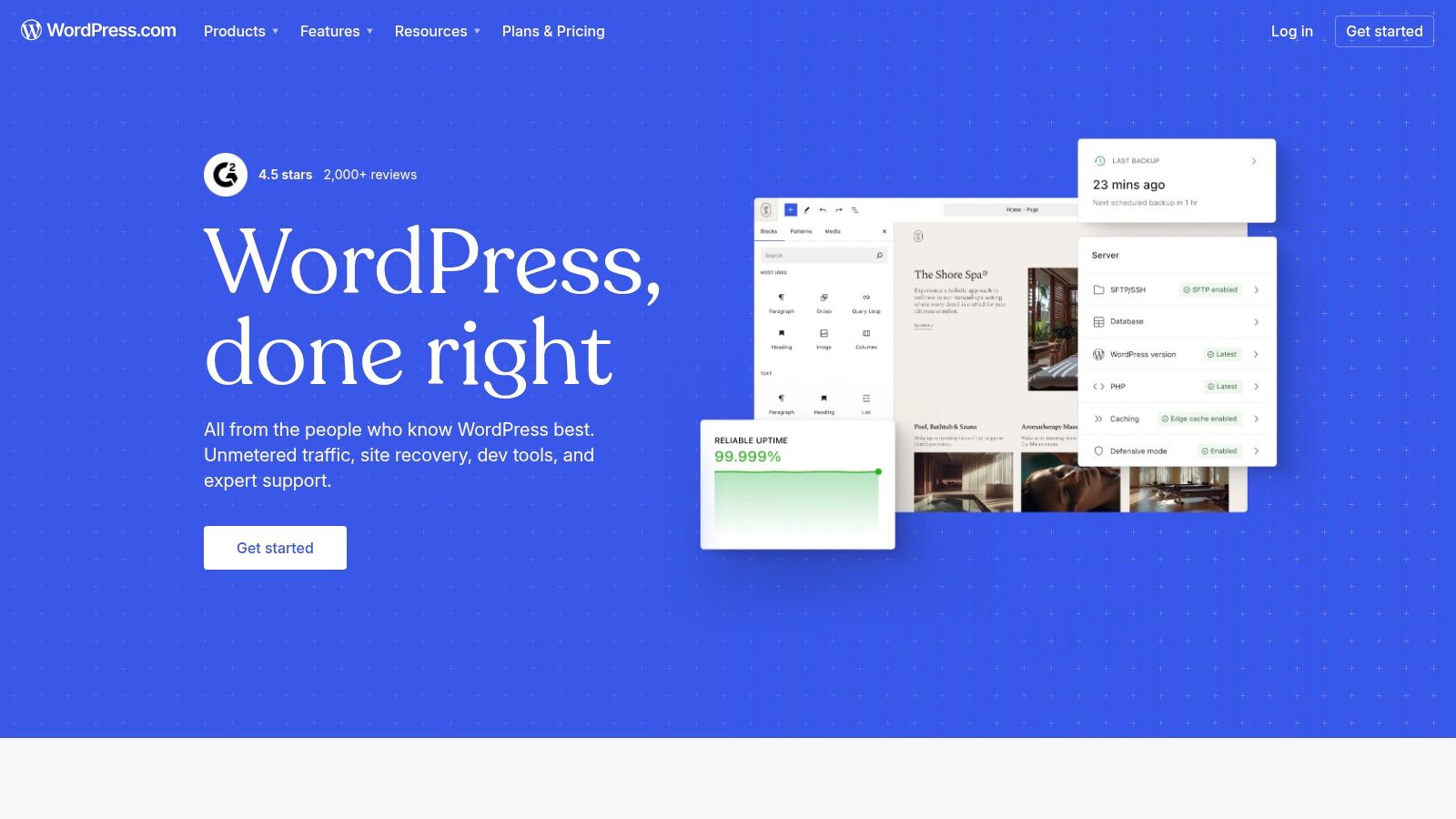
What truly sets it apart is its scalability and built-in community features. A user can start with a completely free plan for a hobby blog and seamlessly upgrade to premium tiers as their audience grows, unlocking custom domains, advanced customisation, and powerful plugins. Its "Reader" feature also helps new blogs get discovered by surfacing content to a community of millions of active users, providing an initial audience boost that is difficult to achieve elsewhere.
Strategic Analysis & Key Features
The platform's strategy centres on a "freemium" model that removes barriers to entry. By offering a robust free plan, it attracts a massive user base. It then monetises through tiered subscriptions that provide progressively more control and functionality. This tiered approach caters to everyone from casual bloggers to large-scale publications.
- Managed Hosting: Automatic updates, SSL certificates, and backups are included, ensuring security and peace of mind.
- Built-in Monetisation: Higher-tier plans offer tools for paid subscriptions, content gating, and accepting payments directly.
- Theme & Block Editor: A vast library of modern, mobile-responsive themes combined with the intuitive block editor makes designing unique layouts simple.
- Discovery Tools: The integrated Reader and tagging system actively help users find new blogs, fostering a vibrant ecosystem.
Actionable Takeaways
WordPress.com provides a structured path for growth. New bloggers can leverage the free plan to establish their voice and build an initial following through the platform's discovery features. As traffic and content needs expand, upgrading to a Personal or Premium plan allows for a custom domain and greater design flexibility. For a comprehensive overview of how to leverage this platform for business, you can explore how to build a successful blog with WordPress.com.
Website: https://wordpress.com
2. Ghost (Ghost.org)
Ghost is a modern, independent publishing platform designed specifically for professional creators like journalists, authors, and entrepreneurs. It strips away the complexity of traditional content management systems to focus on writing, publishing, and monetising content through paid newsletters and memberships. This makes it one of the best examples of blogging websites for those who want to build a direct relationship with their audience and retain 100% of their subscription revenue.
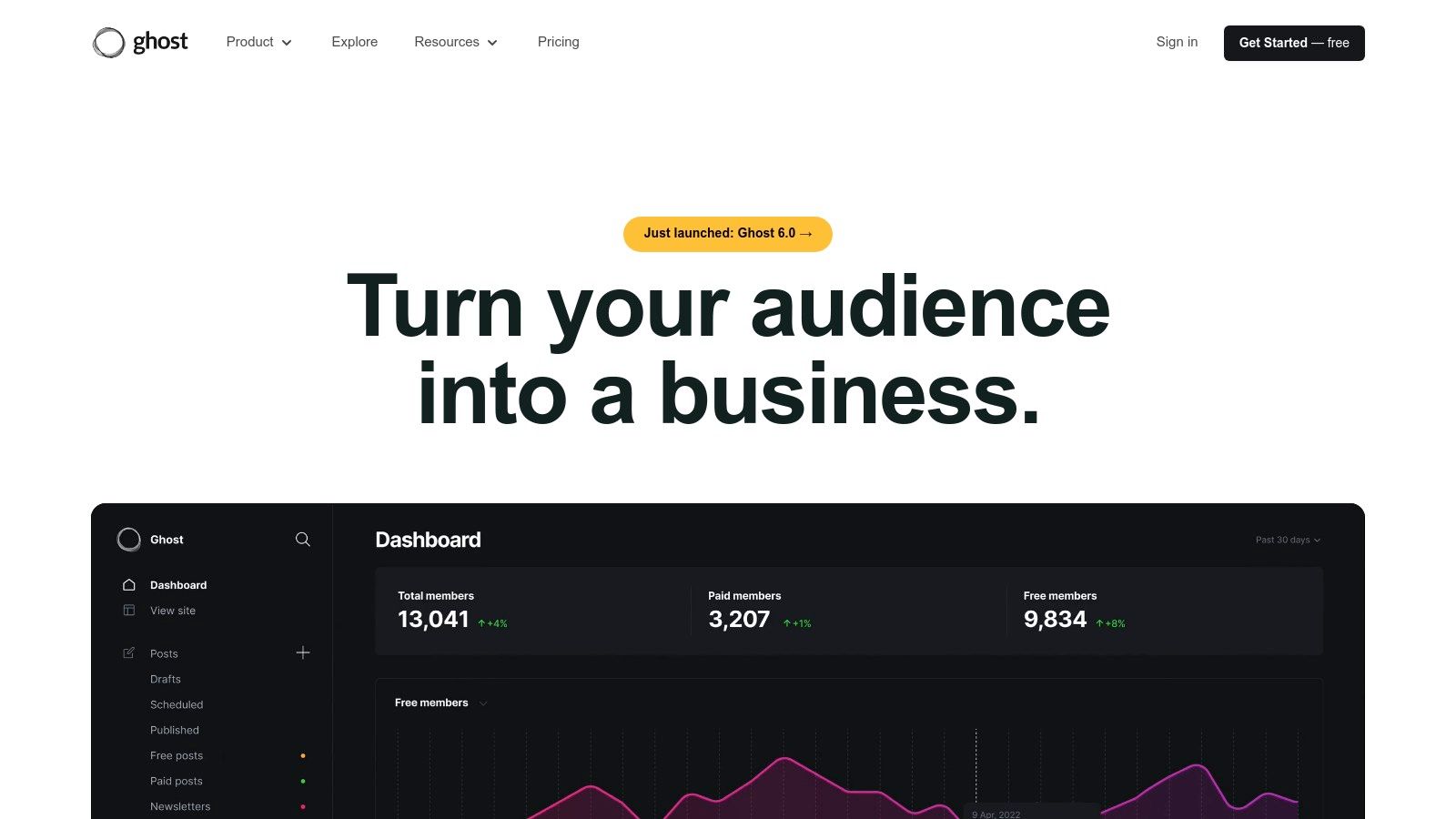
Unlike many platforms that take a percentage cut, Ghost's core philosophy is built around creator ownership. Its business model is transparent: you pay for hosting (on their Ghost(Pro) managed service) or self-host it for free, and connect your own Stripe account. All revenue generated from paid tiers goes directly to you, minus Stripe's standard processing fees. This direct-to-creator model is a powerful differentiator for serious publishers aiming to build a sustainable media business.
Strategic Analysis & Key Features
Ghost’s strategy centres on providing a superior and focused publishing experience with native business tools. By integrating memberships, subscriptions, and email newsletters directly into the core software, it eliminates the need for a complex stack of third-party plugins. This creates a fast, secure, and streamlined ecosystem built for direct audience monetisation from day one.
- Native Memberships & Subscriptions: Seamlessly create free, monthly, and yearly subscription tiers to gate content and build a recurring revenue stream.
- Integrated Newsletters: Every post can also be an email newsletter, allowing you to engage your audience directly in their inbox without needing a separate service.
- High-Performance Architecture: Built on a modern technology stack, Ghost is exceptionally fast, which is crucial for SEO and user experience.
- Creator-First Business Model: The platform charges a flat fee for its managed hosting, taking 0% of your revenue, which is a significant advantage as you scale.
Actionable Takeaways
Ghost is ideal for creators who prioritise performance and want to build a membership-based business. Start by defining your paid content strategy: what exclusive articles, newsletters, or resources will you offer subscribers? Use the intuitive editor to create compelling content and leverage the native email tools to grow your audience list. As your publication gains traction, you can introduce premium tiers to monetise your most loyal followers directly, creating a powerful, independent revenue stream.
Website: https://ghost.org
3. Squarespace
Squarespace is a premium, all-in-one website builder renowned for its award-winning, design-forward templates and an intuitive visual editor. As a fully hosted platform, it bundles hosting, security, and domains into a single subscription, making it an excellent choice for creators who prioritise aesthetics and simplicity. This focus on polished design makes it one of the best examples of blogging websites for visual-heavy niches like photography, food, fashion, and design portfolios.
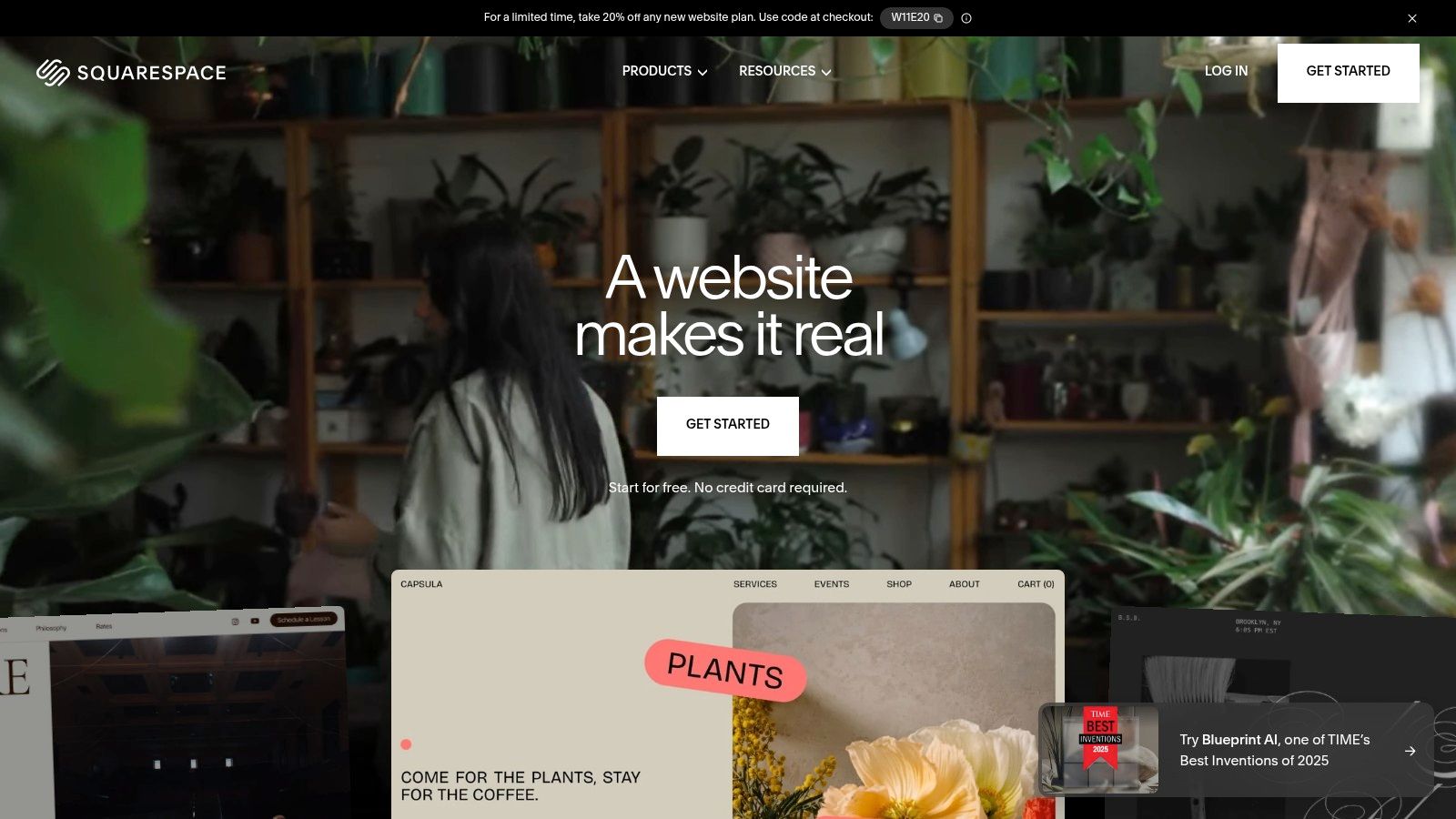
What truly distinguishes Squarespace is its seamless integration of marketing and commerce tools directly within its ecosystem. Bloggers can effortlessly build an email list with Squarespace Email Campaigns, analyse traffic with built-in analytics, and even sell products or digital goods without needing third-party plugins. This unified dashboard simplifies the process of turning a blog into a business, allowing for a cohesive brand experience from a single control panel.
Strategic Analysis & Key Features
Squarespace’s strategy is centred on providing a curated, high-quality experience that removes technical friction. Instead of offering endless customisation, it provides carefully crafted templates that guarantee a professional and mobile-responsive result. It attracts users willing to pay a premium for design excellence and an integrated toolset, positioning itself as the go-to platform for visually driven brands and creators.
- Designer-Grade Templates: A curated collection of beautifully designed, fully customisable templates that serve as a strong starting point for any blog.
- Integrated Marketing Suite: Includes built-in tools for SEO, email marketing, social media integration, and detailed analytics to track audience growth.
- All-in-One Platform: Hosting, SSL certificates, and custom domains are managed directly through Squarespace, requiring minimal technical maintenance.
- E-commerce Capabilities: Powerful, built-in commerce features allow for the sale of physical products, services, and digital downloads directly from your blog.
Actionable Takeaways
Squarespace is ideal for bloggers who want to launch a visually stunning website quickly without coding. Start by selecting a template that aligns with your brand's aesthetic and use the visual editor to customise the layout. Leverage the integrated email campaigns to start building your audience from day one. As you grow, explore the platform's SEO tools to optimise your posts and drive organic traffic. For those just starting, you can get a foundational understanding with this beginner's guide to digital marketing to maximise your blog's impact.
Website: https://www.squarespace.com
4. Wix
Wix is a leading website builder renowned for its intuitive drag-and-drop interface, making it an excellent choice for bloggers who prioritise visual design and ease of use. It demystifies the website creation process, offering a suite of powerful tools without requiring any coding knowledge. This focus on simplicity and creative control makes Wix one of the most popular examples of blogging websites for individuals, artists, and small businesses looking to establish a stylish online presence quickly.
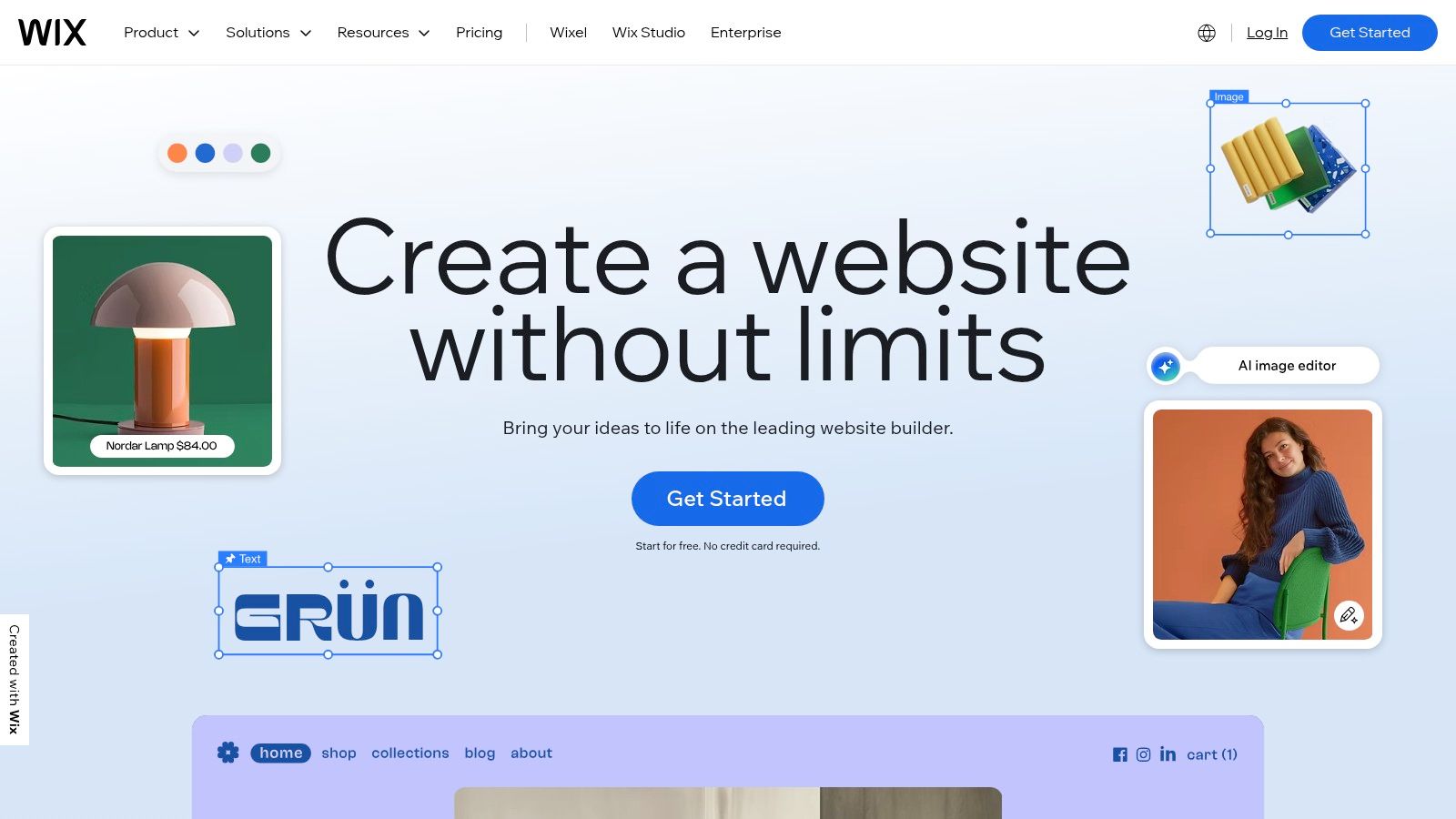
What makes Wix stand out is its vast library of over 900 professionally designed templates, many of which are specifically tailored for blogs and online magazines. Users can start with a polished foundation and customise every element to match their brand. The platform operates on a freemium model, allowing users to launch a blog for free with Wix branding and a subdomain, then upgrade to paid plans for a custom domain, more storage, and advanced features.
Strategic Analysis & Key Features
Wix’s strategy is centred on providing an all-in-one, visually-driven solution that appeals to non-technical users. By bundling hosting, design tools, and marketing features into a single subscription, it creates a seamless user experience. Its AI-powered setup option (Wix ADI) can even generate a personalised site in minutes, lowering the barrier to entry even further.
- Drag-and-Drop Editor: Offers complete creative freedom to place text, images, and other elements anywhere on the page.
- Extensive Template Library: Provides over 900 templates, including dozens of blog-specific designs that users can emulate or customise.
- Integrated SEO & Marketing Tools: The Wix SEO Wiz provides a step-by-step plan to improve search visibility, complemented by built-in email marketing and social media tools.
- Wix App Market: Allows users to add advanced functionality to their blog, such as forums, event calendars, and e-commerce capabilities.
Actionable Takeaways
Wix is ideal for bloggers who want maximum design control without touching code. New users can take advantage of the free plan to experiment with the editor and find a template that suits their vision. As the blog grows, upgrading to a premium plan is essential for establishing a professional brand with a custom domain and removing Wix ads. The integrated SEO tools are particularly valuable for beginners, offering a guided path to help their content get discovered.
Website: https://www.wix.com
5. Webflow
Webflow bridges the gap between traditional website builders and custom-coded solutions, offering unparalleled design control without requiring users to write code. It is aimed squarely at designers, marketers, and businesses who desire a high degree of customisation for their blog's appearance and functionality. This makes it an exceptional example of a blogging website platform for those who want pixel-perfect control over their content presentation.
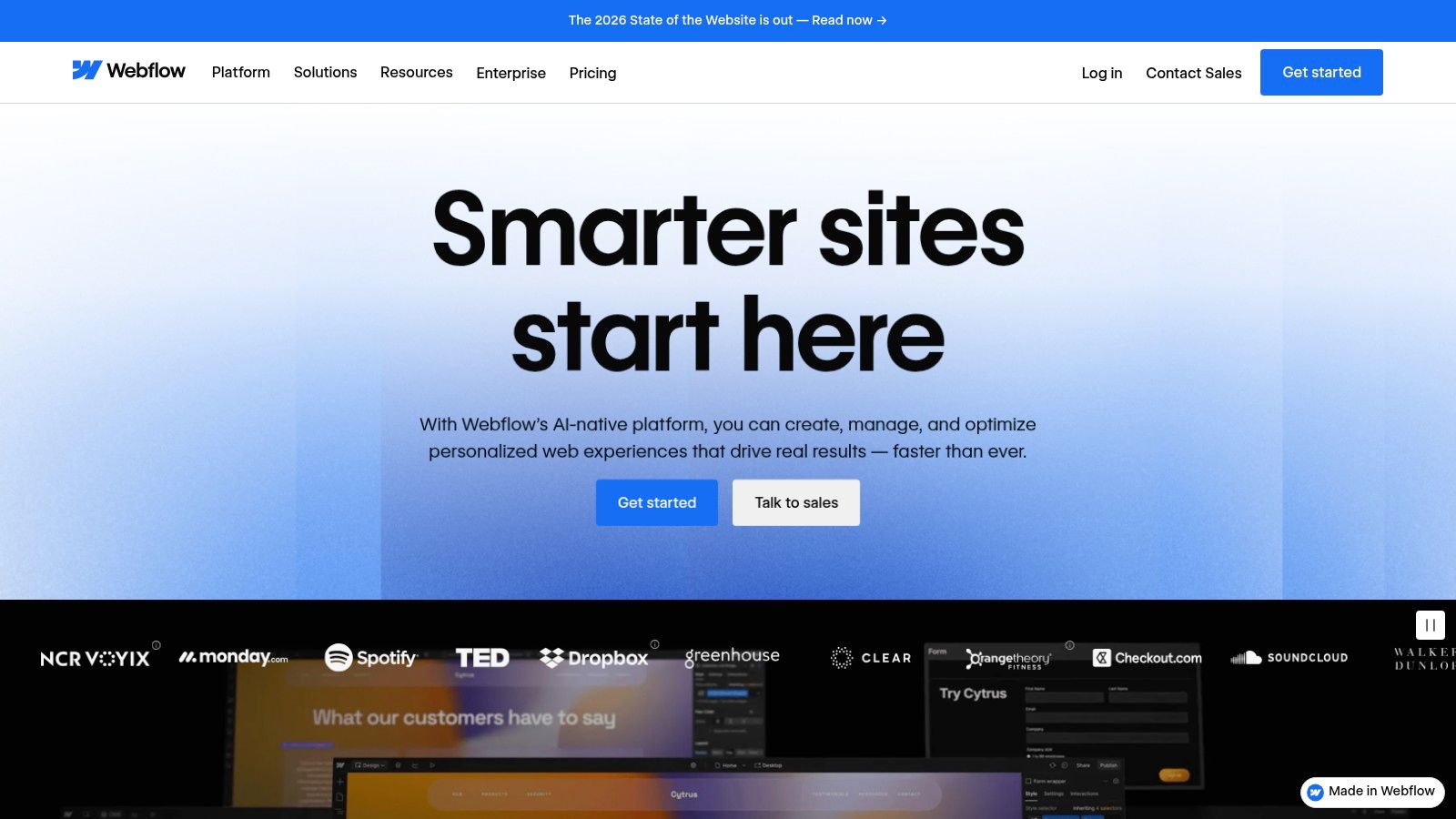
What truly distinguishes Webflow is its powerful visual canvas that translates design decisions directly into clean HTML, CSS, and JavaScript. Its CMS Collections are perfect for managing structured blog content like categories, author profiles, and post data. This allows for the creation of sophisticated, database-driven blogs that feel entirely bespoke, a feat that is often complex and costly to achieve with other platforms.
Strategic Analysis & Key Features
Webflow’s strategy focuses on empowering professional creators with a visual-first development environment. By providing CSS-level control in a user-friendly interface, it attracts designers who would otherwise need to rely on developers. Monetisation is based on tiered hosting and workspace plans, with blog-specific features like CMS item limits scaling with the plan level, encouraging users to upgrade as their content library grows.
- Visual CSS Grid & Flexbox: Build modern, complex, and responsive blog layouts visually without writing a single line of code.
- Integrated CMS: CMS Collections allow you to define, structure, and connect content types, ideal for managing posts, authors, and tags dynamically.
- High-Performance Hosting: All sites come with fast, reliable hosting powered by a global CDN, including SSL certificates for security.
- Template Marketplace & Showcase: An extensive library of free and premium templates, plus a public showcase of projects, provides endless inspiration and learning opportunities.
Actionable Takeaways
New users should start by exploring the free "Webflow University" tutorials to overcome the initial learning curve, which is steeper than simpler builders. A great starting point is to adapt a free blog template from the marketplace to understand how CMS Collections are structured and connected to the design. As your blog grows, you can leverage the platform's collaborative workspaces to bring in team members to manage content or design, making it a scalable solution from solo blogger to full content team.
Website: https://webflow.com
6. Substack
Substack is a pioneering newsletter-first platform that seamlessly integrates blogging capabilities, allowing creators to publish simultaneously to email and the web. It is designed for writers who want to build a direct relationship with their audience and monetise their work through paid subscriptions. As one of the most streamlined examples of blogging websites, it removes nearly all technical barriers, making it ideal for journalists, experts, and creators focused purely on high-quality writing.
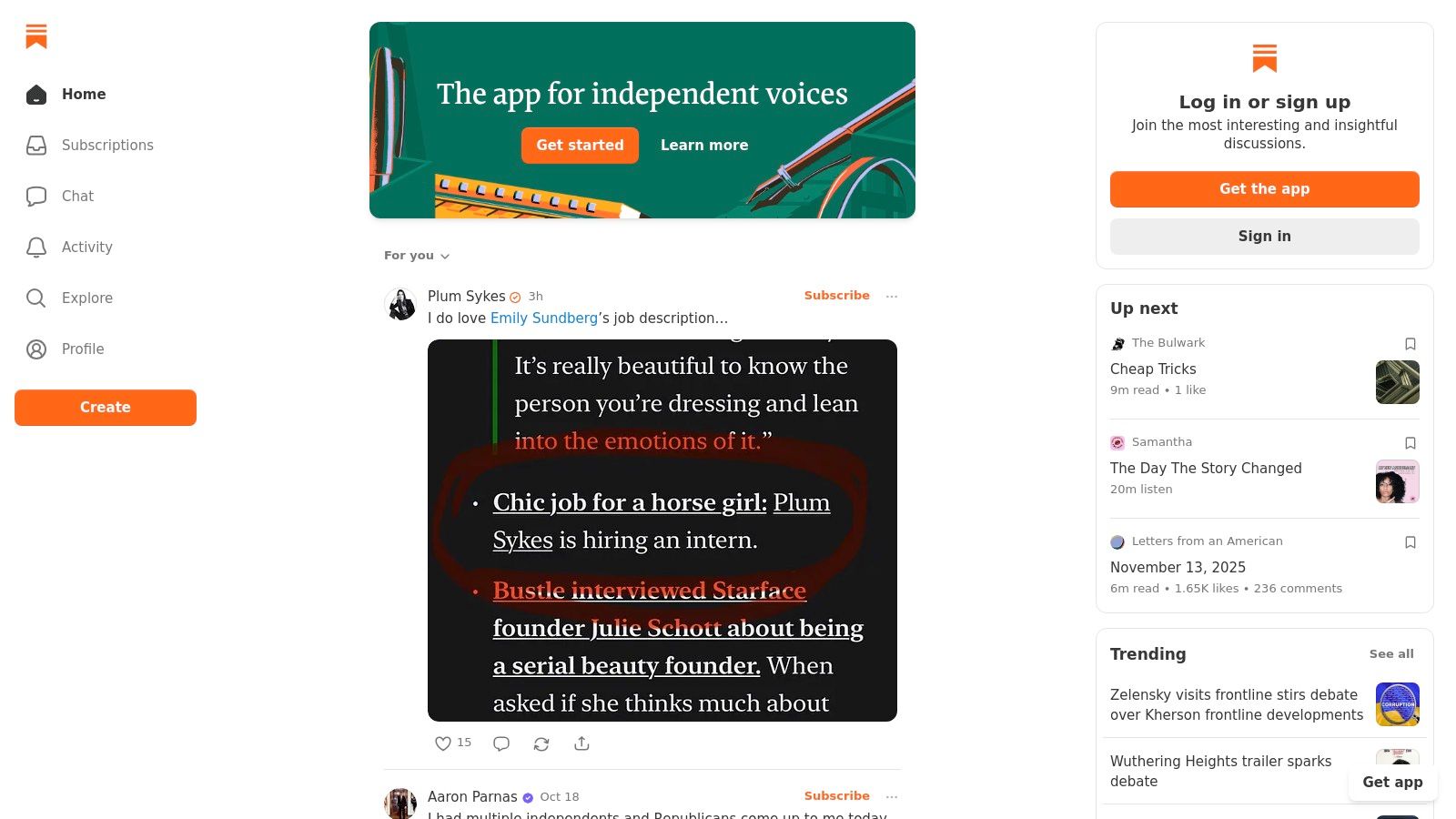
Its standout feature is the built-in monetisation and community engine. With just a few clicks, a writer can launch a paid newsletter, create subscriber-only posts, and start earning revenue. The platform's network effect, powered by recommendations and the "Notes" social feed, helps new publications get discovered by an engaged audience of readers, offering a powerful alternative to traditional SEO or social media marketing for growth.
Strategic Analysis & Key Features
Substack's strategy is built on simplicity and a creator-centric revenue model. It is completely free to publish, and the platform only earns money when its creators do, taking a percentage of subscription fees. This aligns its success directly with the success of its writers, encouraging a focus on tools that help creators grow and monetise their audience directly.
- Integrated Publishing: Write once to publish a post on a clean, minimalist blog website and send it as an email newsletter simultaneously.
- Effortless Monetisation: Built-in paywalls and membership tiers allow for premium content, making it the fastest path to a paid publication.
- Network Discovery: An internal recommendation system and social features help new writers get discovered by readers of similar publications.
- Multimedia Support: The platform supports podcast hosting and video embedding, allowing creators to offer diverse forms of content.
Actionable Takeaways
Substack is the perfect platform for writers who want to validate a niche and build a direct, paying audience with minimal setup. New creators can start for free, focusing entirely on producing valuable content to attract their first subscribers. Once an audience is established, turning on paid subscriptions is simple. This model provides an excellent opportunity to understand the direct advantages of email marketing by building a loyal, engaged community.
Website: https://substack.com
7. ThemeForest (Envato Market)
ThemeForest is not a blogging platform itself, but rather the world's largest marketplace for premium website themes, particularly for WordPress. For anyone seeking inspiration or a professional design, it serves as an enormous gallery of functional examples of blogging websites. It empowers creators to bypass generic templates and purchase a highly polished, niche-specific design that can be installed on a self-hosted platform like WordPress.org.
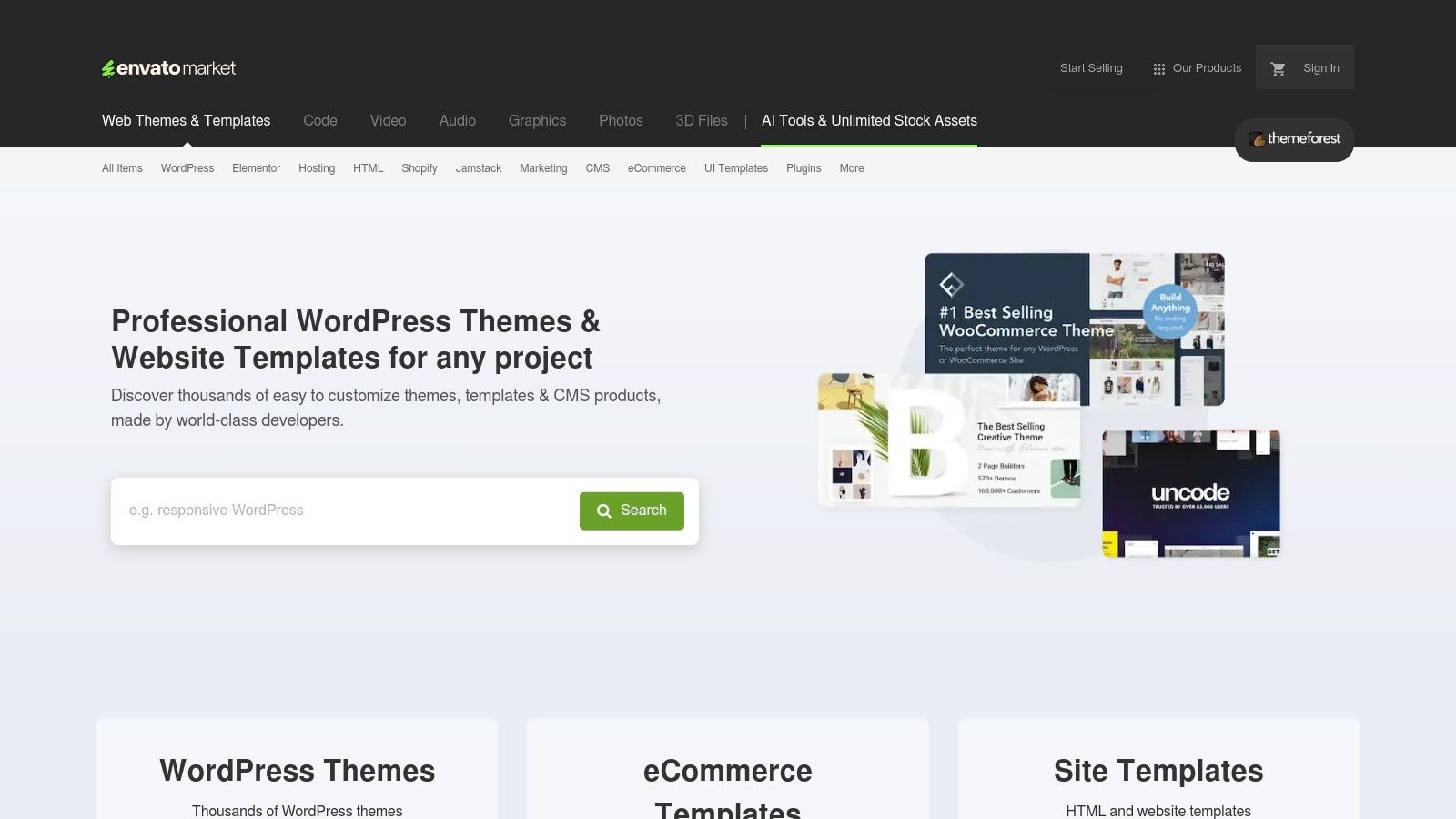
What makes ThemeForest invaluable is its sheer variety and the ability to see live demos. Bloggers can browse thousands of purpose-built blog and magazine themes, from minimalist personal journals to complex, ad-optimised news portals. This "try before you buy" approach, combined with a robust system of user ratings and sales data, helps creators make informed decisions and visualise their content in a finished layout before committing.
Strategic Analysis & Key Features
The platform's strategy is built on a marketplace model, connecting independent theme developers with a massive audience of website builders. It monetises by taking a commission from each sale, encouraging a competitive ecosystem where authors are incentivised to create high-quality, well-supported products. Themes are typically sold as a one-time purchase, which is a cost-effective alternative to subscription-based builders.
- Vast Theme Selection: Offers thousands of specialised blog and magazine themes for countless niches, from food and travel to technology and finance.
- Live Previews and Demos: Every theme includes a live demo, allowing you to interact with the design and test its responsiveness and features.
- Community Reviews & Ratings: Transparent user feedback, sales counts, and author ratings help you assess the quality and reliability of a theme.
- Advanced Filtering: Users can filter search results by price, sales, ratings, and recency, making it easy to find popular and well-maintained options.
Actionable Takeaways
ThemeForest is the ideal starting point for anyone using a self-hosted platform who wants a unique, professional aesthetic without the cost of a custom web designer. Before purchasing, thoroughly vet your chosen theme by checking its latest update date, reading recent reviews, and exploring the author's support comments. A one-time purchase of a popular, highly-rated theme provides a powerful foundation for building a visually compelling and memorable blog.
Website: https://themeforest.net
Top 7 Blogging Platforms Comparison
| Platform | 🔄 Implementation complexity | ⚡ Resource requirements | ⭐ Expected outcomes | 📊 Ideal use cases | 💡 Key advantages |
|---|---|---|---|---|---|
| WordPress.com | Low — fully managed setup & updates | Low–Medium — subscription tiers for advanced features | High — scalable blogs with monetisation options | Hobby to high‑traffic blogs needing quick launch | Managed hosting, large theme ecosystem, reader/discovery |
| Ghost (Ghost.org) | Medium — managed or self‑host options | Medium — plan + Stripe fees; fewer plugins | High — fast, SEO‑friendly sites with membership control | Paid blogs/newsletters focused on ownership of revenue | Native memberships, clean performance, transparent pricing |
| Squarespace | Low — visual editor, hosted | Medium — paid plans; built‑in tools | High — polished, design‑forward blogs | Creatives/small businesses wanting a polished site without hosting maintenance | Designer templates, unified dashboard for content & email |
| Wix | Low — drag‑and‑drop; fast AI setup | Low–Medium — free start; upgrades for domain/support | Medium — quick launch, template‑driven results | Beginners or those who want many prebuilt blog templates | Very large template library; easy upgrade path |
| Webflow | High — visual CSS control; steeper learning curve | Medium–High — plan limits for CMS, hosting costs | High — pixel‑precise sites with strong CMS & performance | Designers/agencies needing fine‑grained control and structured content | Precise design control, built‑in CDN and staging |
| Substack | Very low — minimal setup to publish web + email | Low — free to publish; platform fee on paid subs | High for audience/monetisation; limited site customization | Writers seeking fastest path to paid newsletters/blogs | Fast monetisation, built‑in discovery and mailing features |
| ThemeForest (Envato) | Medium — purchase + install on a CMS | Low–Medium — one‑time theme cost; possible dev work | Variable — depends on theme quality and support | Users wanting ready‑made designs to emulate or accelerate builds | Huge variety of themes, live demos; cost‑effective one‑time purchases |
Your Next Step: From Inspiration to Implementation
We have journeyed through a diverse landscape of powerful blogging platforms, dissecting what makes each of the examples of blogging websites we’ve explored so effective. From the unparalleled customisation of WordPress to the sleek, creator-centric model of Ghost, and the design-first approach of Squarespace, a clear pattern emerges: the "best" platform is entirely subjective. It is defined not by a universal standard, but by your unique vision, technical comfort, and long-term goals.
The crucial takeaway is that strategic alignment is paramount. A beautiful design is meaningless if the platform is too complex for you to update consistently. Likewise, a simple tool may feel restrictive as your ambitions and audience grow. The path forward lies in bridging the gap between inspiration and tangible action.
Distilling Your Core Needs
Before you commit to a platform, take a moment to crystallise your objectives. Ask yourself a few key questions:
- What is my primary goal? Is it to build a personal brand, generate leads for a business, create a paid newsletter community, or simply share a passion?
- How much control do I need? Are you comfortable with a curated set of design options, or do you require deep access to code for complete customisation?
- What is my budget? Consider not just the initial subscription cost but also potential expenses for themes, plugins, and future scalability.
- How important is monetisation? Do you need built-in e-commerce, membership features, or simple ad integration?
Answering these questions will immediately narrow your focus. If your priority is building a paid community with minimal fuss, Substack or Ghost are strong contenders. If visual storytelling for a brand is your focus, Squarespace or Webflow offer powerful, design-led toolkits.
Turning Insight into Action
The most effective way to make a decision is through direct experience. Theoretical knowledge can only take you so far. Your next step should be to select the top two or three platforms that align with your answers above and immerse yourself in their free trials. Don't just browse the features list; actively build a sample post, test the user interface, and explore the template library. This hands-on experimentation will reveal which workflow feels most intuitive to you.
As you embark on this journey, remember that choosing a platform is just the first step. To help you make an informed decision on your ideal platform, consider exploring this guide on the best website builder for blogs in 2025. This resource provides a detailed comparison that can further clarify your choice.
Building a successful blog is an iterative process. It's a marathon of consistent effort, learning, and adaptation, not a one-time setup. The examples of blogging websites we’ve analysed today are not static; they are the result of continuous refinement. Embrace this mindset from day one, and you will be well on your way to creating a digital space that not only looks professional but also achieves its strategic objectives.
Ready to grow your new blog? Building the site is just the beginning. Discover and manage all the essential tools for SEO, email marketing, social media, and analytics in one place with The Digital Marketing Toolbox. Explore The Digital Marketing Toolbox and equip yourself with the resources you need to build and engage your audience effectively.


