
Understanding Omnichannel Marketing Strategy Beyond The Hype
Imagine a customer in the UK browsing shoes on their phone during their commute. Later that evening, they compare prices on their tablet, and finally, they pop into a store to try them on and buy. An omnichannel marketing strategy makes sure this customer has a smooth, integrated experience at every step. It's not about blasting the same message everywhere, it's about crafting a connected story.
This is very different from a multichannel approach, which treats each channel like a separate island. Think of multichannel marketing as a bunch of different instruments all playing at once – a bit chaotic. Omnichannel, on the other hand, is like a symphony orchestra, each instrument playing its part in harmony.
Visualizing the Omnichannel Approach
This illustration captures the core difference:
Notice how omnichannel weaves together all those different touchpoints – the website, social media, email, mobile apps, and the physical store – into one unified experience. Each interaction builds on the last, instead of treating the customer like a stranger every time they switch channels.
A Real-World Example
Let’s say someone adds a pair of those shoes to their online cart but doesn't check out. A smart omnichannel strategy might send a gentle email reminder a few hours later. If they still don't buy, maybe they see a targeted ad on social media with a small discount for those same shoes. Then, if they walk into a store, the sales associate, knowing their online activity, might offer some personalized recommendations based on their browsing. That smooth, joined-up approach feels personal and makes a sale much more likely.
The Growing Importance of Omnichannel in the UK
In the UK, omnichannel marketing is becoming crucial for businesses that want to provide a top-notch customer experience. More and more UK businesses are realizing the importance of joining up touchpoints like email, social media, and in-person interactions to meet the diverse needs of their customers. You can find more about these trends here: Discover more insights into these evolving trends. This shift towards integrated experiences is all about changing consumer behavior – shoppers expect brands to recognize and engage with them consistently across all channels. It's not enough to just be on multiple channels anymore; you need a true omnichannel strategy. This means breaking down those internal barriers between teams and creating a single, cohesive customer experience, instead of just managing separate marketing campaigns for each channel. This connected approach, when done well, builds stronger customer relationships, boosts loyalty, and ultimately, drives revenue growth.
The Essential Building Blocks Of Effective Omnichannel Marketing

Think of building an omnichannel marketing strategy like constructing a house. You wouldn't start with the roof, right? A solid strategy needs key components working together, just like a good foundation is essential before adding those stylish finishing touches. For businesses, understanding these core elements is the first step towards success.
Unified Customer Data: The Foundation
Unified customer data is the cornerstone of any effective omnichannel strategy. Imagine trying to create a personalized experience without knowing your customer – their preferences, their history with your brand. It's like trying to navigate a maze blindfolded. A Customer Data Platform (CDP) is like switching on the lights. It gathers all your customer information – from online browsing to in-store purchases – into a single, unified view.
This complete picture of the customer journey, rather than scattered snapshots, is invaluable. For example, a CDP might reveal a customer browsed a product online, abandoned their cart, and then bought the same product in your physical store a week later. This allows you to tailor follow-up communications and avoid sending irrelevant messages.
Integrated Marketing Technology: Connecting the Dots
Next, you'll need the right tools to orchestrate your omnichannel efforts. This means integrating your marketing automation system, CRM (Customer Relationship Management), email platform, and other channels. Think of these as the different instruments in an orchestra – each playing a unique part, but working together to create a harmonious melody.
Integration enables you to deliver the right message at the right time, on the preferred channel. A customer signs up for your newsletter? Your system automatically triggers a welcome email and maybe a personalized offer based on their past browsing. This automation creates a seamless experience, eliminating manual effort and ensuring timely communication. If you're a small business owner figuring out these technologies, our guide on marketing strategy might be helpful: Check out our guide on marketing strategy for small businesses.
Consistent Brand Messaging: Speaking With One Voice
With a unified view of your customer and integrated technology, you can achieve consistent brand messaging. This isn’t about sending the same message everywhere. It’s about ensuring your core brand values and story are clear, no matter how a customer interacts with you.
Imagine a clothing retailer using playful, informal language on social media, but then sending formal, corporate-sounding emails. This inconsistency creates a disjointed experience. Maintaining a consistent tone of voice, visual identity, and brand personality builds recognition and trust, reinforcing your brand identity in the customer's mind.
Real-Time Personalization: Tailoring the Experience
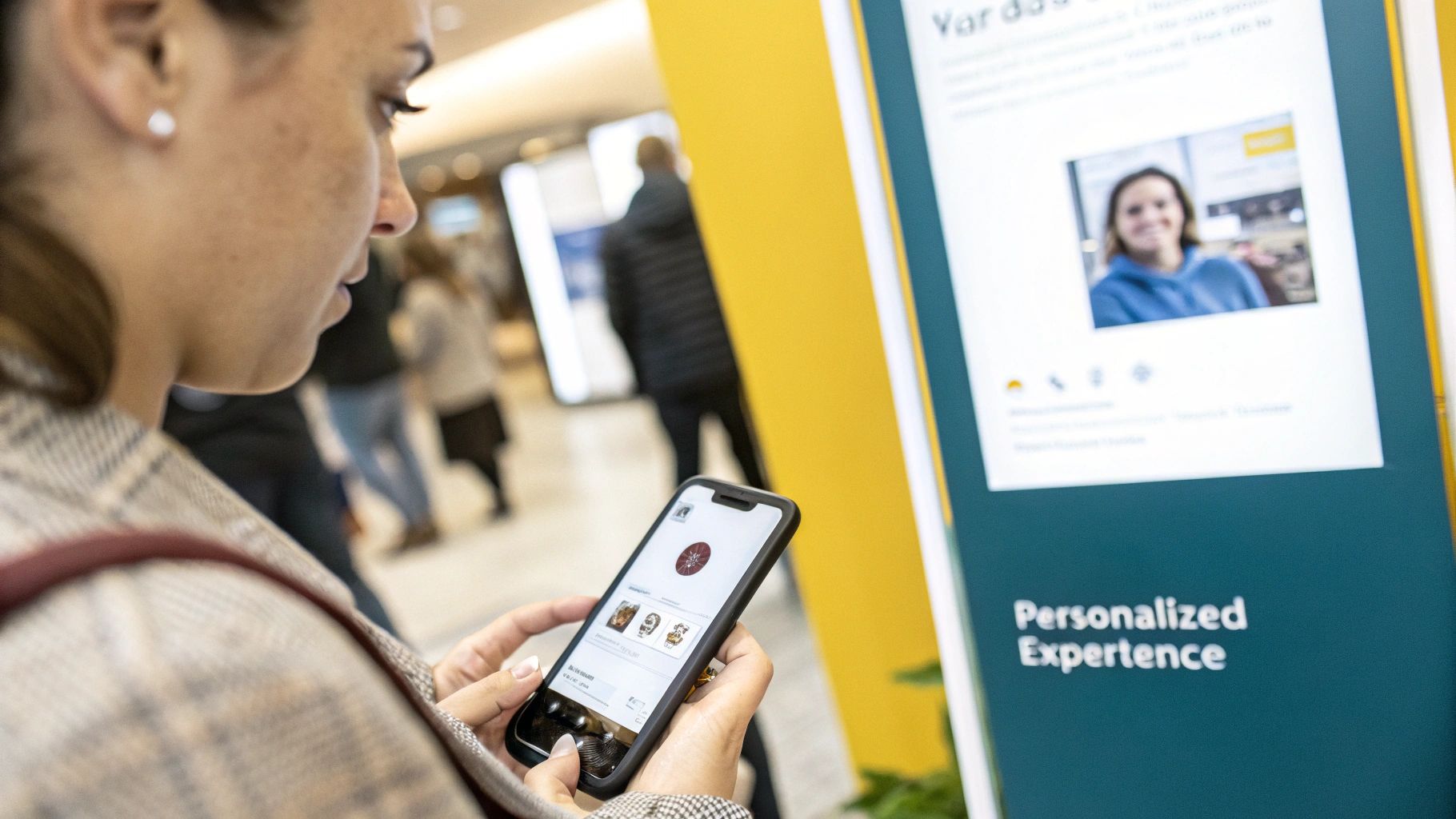
Finally, all these elements come together to enable real-time personalization. Unified data and integrated systems allow you to deliver tailored experiences that feel relevant and valuable. This might be a product recommendation based on recent browsing, a targeted discount for an item a customer previously viewed, or a location-based offer.
This kind of personalization demonstrates you understand your customer’s needs and respect their time, strengthening their connection with your brand. It's not about bombarding them with messages; it's about providing valuable interactions that enhance their experience.
To help illustrate how these components work together, let's take a look at the following table:
Essential Omnichannel Marketing Components Comparison: A detailed comparison of core omnichannel components, their functions, and implementation complexity.
| Component | Primary Function | Implementation Difficulty | Expected ROI Timeline |
|---|---|---|---|
| Unified Customer Data (CDP) | Collects and centralizes customer data from all sources | Moderate to High (depending on data complexity and existing systems) | 6-12 months |
| Integrated Marketing Technology | Connects various marketing tools and platforms for automated communication | Moderate (requires technical expertise and planning) | 3-6 months |
| Consistent Brand Messaging | Ensures a unified brand voice and experience across all channels | Low (primarily a strategic and creative effort) | Ongoing |
| Real-Time Personalization | Delivers tailored messages and offers based on individual customer data | Moderate to High (requires data analysis and integration capabilities) | 6-18 months |
As you can see, each component plays a crucial role and has varying levels of implementation complexity. While consistent brand messaging is a more straightforward strategic effort, implementing a CDP and real-time personalization often requires more technical expertise and planning. The expected ROI timeline also varies, with some components delivering faster returns than others. Building a robust omnichannel strategy is a journey, and understanding the interplay of these building blocks sets the stage for success.
Why UK Businesses Are Doubling Down On Omnichannel Strategies
The UK marketing scene is buzzing, and businesses are scrambling to keep up. But this isn't about blindly following the latest fads. It's about responding to real-world challenges and meeting the ever-changing expectations of customers. Let's explore why some UK businesses are ramping up their investment in omnichannel marketing strategies, while others are taking a more cautious approach.
Competitive Advantage in a Crowded Market
For many UK businesses, omnichannel marketing isn't just a nice-to-have; it's essential for survival. Think of it like this: in a packed marketplace, providing a smooth and consistent customer journey is what makes you stand out. Imagine two competing clothing stores. One only offers discounts in their physical location, while the other lets customers access deals through their app, website, and in-store. Which one do you think builds a stronger connection with shoppers? That seamless, integrated approach is what omnichannel is all about.
Meeting Evolving Customer Expectations
Today's consumers expect businesses to know them and engage with them, regardless of how they choose to interact. They flit between browsing on their phones, shopping online, and visiting brick-and-mortar stores without missing a beat. A well-executed omnichannel marketing strategy mirrors this behavior, providing a unified brand experience across all touchpoints. It's about understanding customer preferences, anticipating their needs, and delivering relevant information at every turn.
Data-Driven Decision Making
Another powerful aspect of omnichannel strategies is the ability to collect and analyze data from various customer interactions. This allows businesses to gain deeper insights into customer behavior, spot emerging trends, and personalize the shopping experience. For example, imagine you know a customer regularly buys organic coffee beans from your online store. Using an omnichannel approach, you could offer them a discount on a grinder during their next in-store visit, strengthening their loyalty and driving additional sales. You might be interested in: Read also: The advantages of email marketing.
The Reality of Omnichannel Investment
The move toward omnichannel isn't without its hurdles. It requires investment in new technologies, staff training, and adapting existing processes. Some businesses are hesitant to fully commit due to these resource constraints. However, the overall trend is towards greater adoption. A recent survey of over 500 UK businesses revealed that 34% are actively using multi/omnichannel marketing and plan to expand their efforts, while 28% are using it but plan to scale back. Discover more insights into these UK digital marketing statistics. This data highlights the ongoing evaluation and adjustment within the UK market as businesses strive to find the perfect balance for their individual needs.
Determining the Right Approach
Deciding whether to double down or pull back on omnichannel depends on a variety of factors. For businesses with a strong online presence and a dedicated customer base, expanding omnichannel efforts can be a game-changer for customer retention and revenue growth. However, businesses with limited resources might need to focus on specific channels and integrations that align with their target audience and business goals. The key is to approach omnichannel strategically, prioritizing a consistent and valuable customer experience across the channels that matter most to your business.
Real Success Stories: How Omnichannel Transforms Customer Relationships
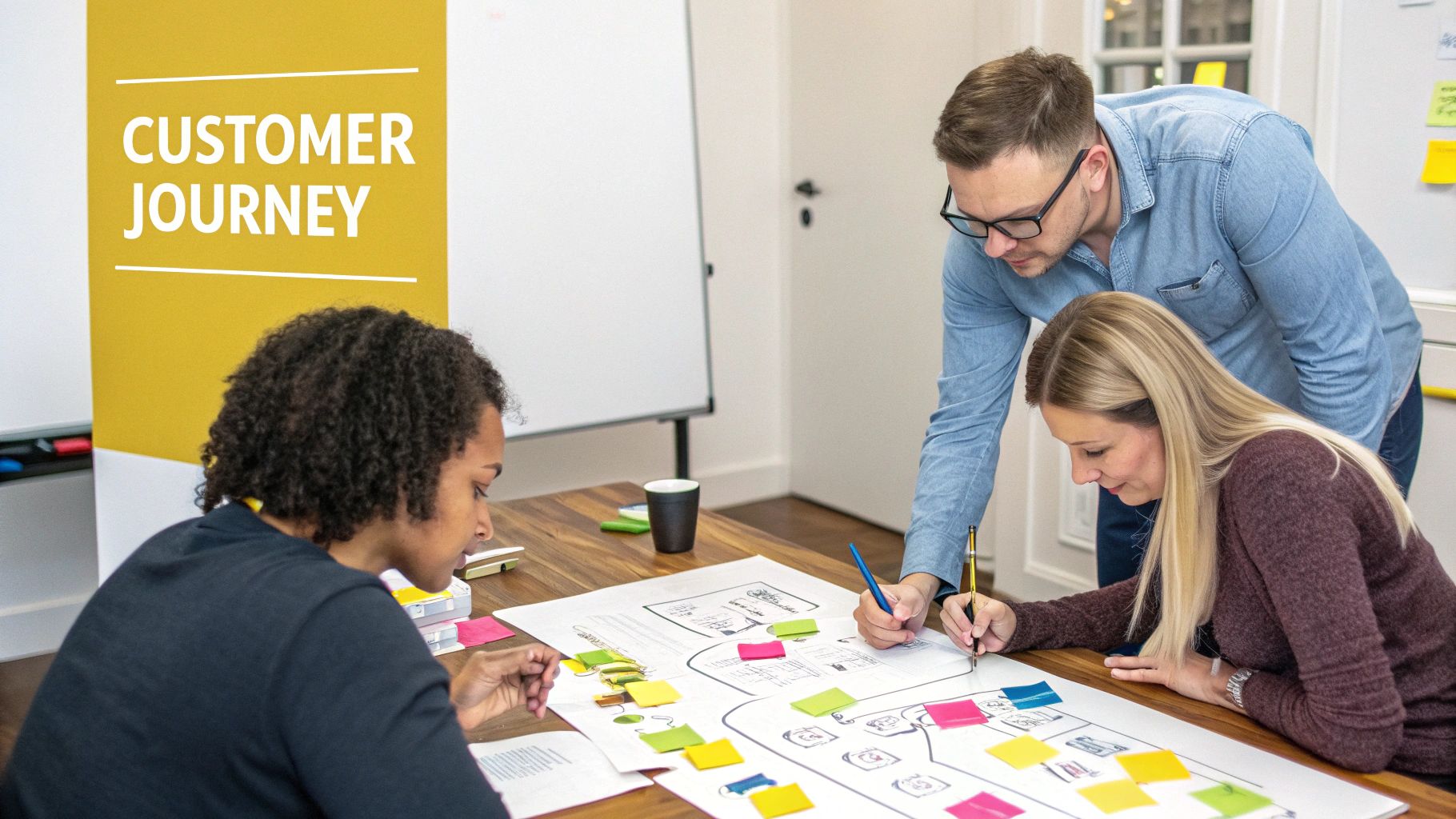
Let's move past the theory and see how omnichannel marketing strategies work in the real world. Looking at actual success stories reveals the power of connecting with customers at different points in their journey. These examples show how UK businesses have put omnichannel principles into practice and the positive results they've seen.
Seamless Shopping With a Fashion Retailer
Imagine a UK fashion retailer struggling to connect its online and physical stores. Customers browsing online often couldn't find the same items in the shop, leading to frustration and lost sales.
This retailer implemented an omnichannel strategy and everything changed. They connected their inventory systems, so customers could see real-time stock availability online and in-store.
They also introduced click-and-collect and in-store returns for online purchases, making shopping much more convenient. The result? A 15% increase in sales and much happier customers.
Personalized Banking Experiences
A major UK bank wanted to go beyond simple transactions and build stronger customer relationships. They knew customers interacted through various channels – mobile banking, online platforms, ATMs, and branches – but the experience felt disjointed.
By adopting an omnichannel approach, they started personalizing interactions based on each customer's financial goals and preferences. For example, someone browsing investment options online might receive a personalized email with helpful advice or an invitation to chat with an advisor at their local branch.
This personal touch built trust and loyalty, leading to a 10% growth in new accounts.
Building Loyalty in the Hospitality Industry
A boutique hotel chain in the UK wanted to improve guest experiences and encourage repeat bookings. They designed an omnichannel strategy focused on pre-arrival engagement, in-stay services, and post-stay follow-up.
Before arrival, guests received personalized emails with details about local attractions and special offers. During their stay, a mobile app let them request room service, book spa treatments, and give feedback. Afterward, the hotel sent thank you emails with exclusive deals for future stays.
This made the whole experience memorable, resulting in a 20% increase in repeat bookings and much better online reviews.
Let's look at some broader data: companies with strong omnichannel strategies retain on average 89% of their customers, compared to just 33% for companies with weaker strategies.
Customers who shop both online and in-store are worth 30% more to businesses over their lifetime. You can dive deeper into the impact of omnichannel strategies here. These statistics highlight the power of a well-executed omnichannel approach.
To better understand the benefits, let's compare single-channel and omnichannel performance:
Omnichannel vs Single-Channel Performance Metrics
| Metric | Single-Channel Performance | Omnichannel Performance | Improvement % |
|---|---|---|---|
| Customer Retention Rate | 33% | 89% | 169% |
| Customer Lifetime Value | Baseline | 30% higher | 30% |
| Sales Growth (Retail Example) | Baseline | 15% increase | 15% |
| New Account Growth (Banking Example) | Baseline | 10% increase | 10% |
| Repeat Bookings (Hospitality Example) | Baseline | 20% increase | 20% |
This table clearly illustrates how omnichannel strategies can significantly boost key performance indicators.
Adapting Success to Your Business
These real-world examples demonstrate how omnichannel marketing can be used in different industries. The core idea is to integrate all customer touchpoints to create a smooth and personalized experience.
The specifics will depend on your industry and target audience, but the basic principles stay the same: understand your customer journey, unify your data, and deliver a consistent message across all channels. This builds a strong competitive edge and lasting customer relationships.
By learning from these successes, UK businesses can develop their own winning omnichannel strategies.
Building Your Omnichannel Marketing Strategy Step By Step
Creating an effective omnichannel marketing strategy isn’t about blasting your message on every channel imaginable. Think of it less like a shotgun blast and more like a carefully orchestrated symphony. Using every channel at once can overwhelm your team and leave your customers feeling confused, bombarded, and ultimately, disconnected. A successful strategy uses a measured, step-by-step approach, building momentum and demonstrating value at each stage. This framework will guide you through the essential phases, from assessing your current marketing efforts to strategically integrating channels and continuously optimizing for peak performance. We'll show you how to choose the right channels based on where your customers actually are, not where the marketing gurus say they should be.
Phase 1: Understanding Your Customer Journey
First, you need to map your customer’s journey. Imagine it like drawing a map of a treasure hunt. Where do they first encounter your brand? What steps do they take before making a purchase? Which channels do they prefer at each stage of the journey? For example, think about someone buying a new phone. They might first see an ad on Instagram or Facebook. Then, they might research reviews on your website, compare prices on a site like Google Shopping, visit your physical store to try the phone in person, and finally, purchase it online using a discount code emailed to them. Mapping this journey helps you understand where to focus your omnichannel efforts – like placing clues along the treasure map.
Phase 2: Aligning Your Team and Goals
Next, make sure your entire team is rowing in the same direction. Everyone, from marketing and sales to customer service, needs to understand and embrace your omnichannel goals. This shared vision is crucial for consistent messaging and a unified customer experience. It's like making sure everyone in the band is playing the same tune. For example, if your goal is to improve customer retention, your team might focus on personalized follow-up emails after a purchase, offering helpful tips and exclusive discounts. This creates a consistent and positive experience that reinforces your brand and fosters loyalty.
Phase 3: Strategic Channel Integration
Now, it’s time to start integrating your chosen channels. Don’t feel pressured to do everything at once. Start with the channels most important to your customers – the ones they frequent the most – and gradually add others. This measured approach allows you to refine your strategy as you go, like a chef perfecting a recipe one ingredient at a time. This infographic visualizes the key steps in building an effective data-driven approach:
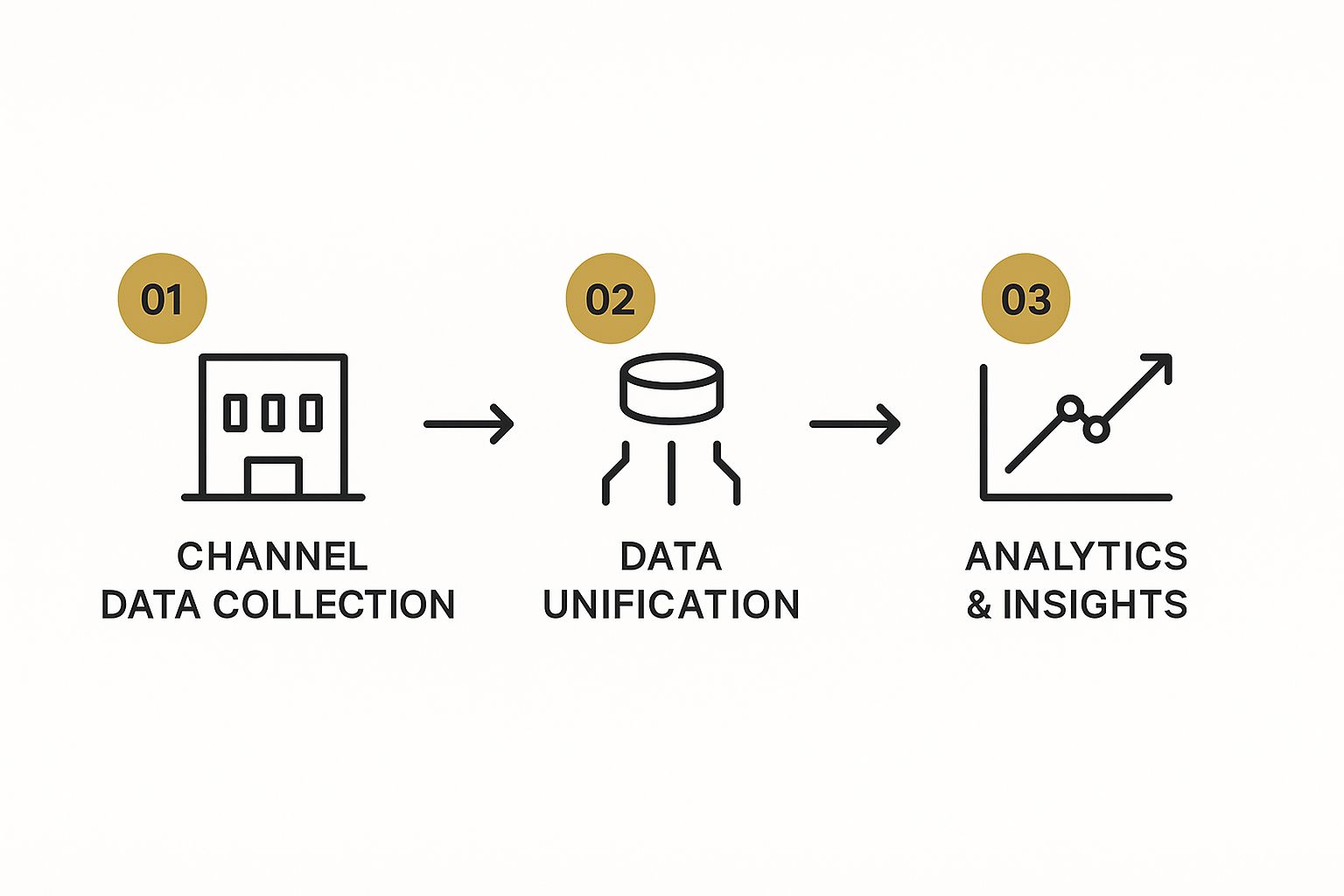
The infographic shows how collecting channel data, unifying it, and analyzing it leads to actionable insights. These insights help businesses refine their messaging, personalize customer experiences, and improve their overall marketing performance.
Phase 4: Consistent Execution and Optimization
Finally, it's time to put your plan into action. Consistency is key here. Think of it like watering a plant – you need to do it regularly for it to thrive. Regularly review your performance, analyze customer feedback, and adjust your strategy as needed. This screenshot from HubSpot‘s marketing platform illustrates the kind of data you can track:
The screenshot highlights various metrics like website traffic, lead generation, and social media engagement. By tracking these metrics, businesses can identify areas for improvement within their omnichannel marketing strategy. You might find our guide on digital marketing useful: Learn more in our article about a beginner's guide to digital marketing. Remember, an omnichannel marketing strategy is an ongoing process, not a one-time project. Continuous optimization ensures your strategy remains effective as customer behavior and market conditions change. Focus on measuring key performance indicators like customer retention rates, conversion rates, and customer lifetime value. These metrics offer a valuable window into the success of your strategy and inform further refinements. By analyzing this data, you can pinpoint what’s working, what needs adjusting, and how to best optimize your approach for maximum impact. Building a robust omnichannel approach takes time and dedication. Start small, stay focused on your customer, and continuously adapt your strategy based on what you learn.
Choosing The Right Tools For Omnichannel Success
This screenshot shows Salesforce Marketing Cloud, a platform offering a wide range of marketing solutions. Think of it as a massive Swiss Army knife for marketers. It highlights the sheer number of features available, from email and mobile marketing to social media and advertising, all within a single platform. This illustrates the potential complexity and investment involved in choosing such an all-in-one tool.
Picking the right tech for omnichannel marketing can be overwhelming. So many vendors promise a single, cure-all platform that handles every integration. But for most UK businesses, budget and resources are real constraints. This section helps you cut through the hype and find practical tools that actually move the needle for your business, without breaking the bank or overwhelming your team.
Essential Technology Categories
Several key types of tech make omnichannel marketing work. Customer Data Platforms (CDPs), for instance, are crucial. They're like giant magnets, pulling together customer data from all your different sources (website, email, social media, etc.). This gives you a single, unified view of each customer, instead of scattered pieces of information.
Then there are marketing automation systems. These are your tireless robot assistants, streamlining repetitive tasks and personalizing interactions at scale. They can trigger automated emails, send tailored messages, and offer targeted deals based on individual customer behaviors and preferences.
Analytics and Insights
Collecting data is only half the battle. You also need tools to understand it. Analytics dashboards are like the cockpit of your marketing spaceship, giving you a real-time view of customer behavior, campaign performance, and which channels are working best.
This data helps you make smart decisions, refine your messages, and personalize customer experiences. Choosing the right analytics tools is the difference between just seeing pretty charts and actually getting insights that inform your strategy. Platforms like Google Analytics provide in-depth tracking and reporting to monitor your website traffic, how users behave, and how many convert into paying customers.
Finding the Right Fit for Your Business
The best tools depend on your unique situation – what you need, your technical skills, and your budget. A small business dipping its toes into omnichannel might start with a simple email marketing platform and a basic CRM. A larger company might go for a powerful CDP and a sophisticated marketing automation suite.
But remember, the priciest option isn't always the best. The key is to find tools that match your goals and that your team can actually use. Think about how easy they are to use, what they integrate with, and how much support the vendor offers.
Building Incrementally
Many successful UK businesses build their tech stack bit by bit. They start with the essentials, get really good at using them, then add more complex solutions as they grow. This gradual approach avoids the trap of buying fancy platforms before you've even laid the groundwork.
It also lets you test and refine your omnichannel approach before sinking a ton of money into software. By focusing on practical tools and building up slowly, you can succeed with omnichannel without unnecessary complexity or cost.
Measuring What Matters: Omnichannel Performance Optimization
Think of traditional marketing metrics like trying to understand a movie by only watching a few scattered scenes. You miss the overall narrative, the character development, the emotional impact. Similarly, evaluating an integrated marketing strategy with isolated channel metrics doesn't give you the full story. To truly understand your omnichannel marketing strategy, you need the big picture. This means shifting focus from individual channel performance to indicators that reflect real business value.
Key Performance Indicators (KPIs) for Omnichannel Success
So, what should you be measuring? One crucial metric is customer lifetime value (CLTV). This tells you how much a customer is worth to your business throughout your entire relationship, not just from a single purchase. A well-executed omnichannel strategy strengthens CLTV by building loyalty and driving repeat business.
Another vital KPI is cross-channel attribution. This helps you understand how each channel contributes to a conversion. Imagine a customer sees your ad on Facebook, then visits your website, and finally buys something in your store. Cross-channel attribution untangles the influence of each touchpoint, revealing which channels are most effective in driving sales. This knowledge is invaluable for optimizing your budget and maximizing ROI.
Finally, don't underestimate the power of engagement quality metrics. These go beyond simple clicks and views. They measure how customers truly interact with your brand. Are they reading your blog posts? Watching your videos? Leaving reviews? High-quality engagement often leads to better customer retention and stronger brand loyalty.
Building a Measurement Framework
A robust measurement framework requires understanding which metrics to track daily and which ones need a longer-term perspective. For instance, website traffic and social media engagement are often monitored daily to spot immediate trends. However, CLTV and customer retention are typically reviewed monthly or quarterly to assess the overall health of customer relationships.
Attribution Models That Work
Attribution can be tricky, so it's best to start simple and gradually add complexity as you learn. A last-click attribution model gives all the credit to the final touchpoint before conversion. It's easy to use, but it may not reflect the full influence of earlier interactions. As you gain experience, consider multi-touch attribution models that distribute credit across multiple channels, providing a more comprehensive understanding of how different touchpoints interact.
Continuous Optimization
Your omnichannel strategy isn't a one-and-done deal. It's a dynamic process that requires constant refinement. Use your data to identify winning customer journey patterns and uncover areas for improvement. Are customers abandoning their carts at a specific point? Is one channel underperforming? Proactively address these issues to ensure your strategy remains effective and aligns with your business goals. Remember, successful omnichannel marketing requires a strategic approach to measurement. By focusing on the right KPIs, building a solid measurement framework, and continuously optimizing your efforts, you can transform data into actionable insights for real business growth.
Ready to boost your digital marketing and simplify your workflow? Check out The Digital Marketing Toolbox at https://grow-your-biz.com for a curated collection of tools to optimize your omnichannel strategy. From analytics dashboards to marketing automation platforms, we've got you covered!


