

Why Customer Retention Is Your Secret Profit Engine
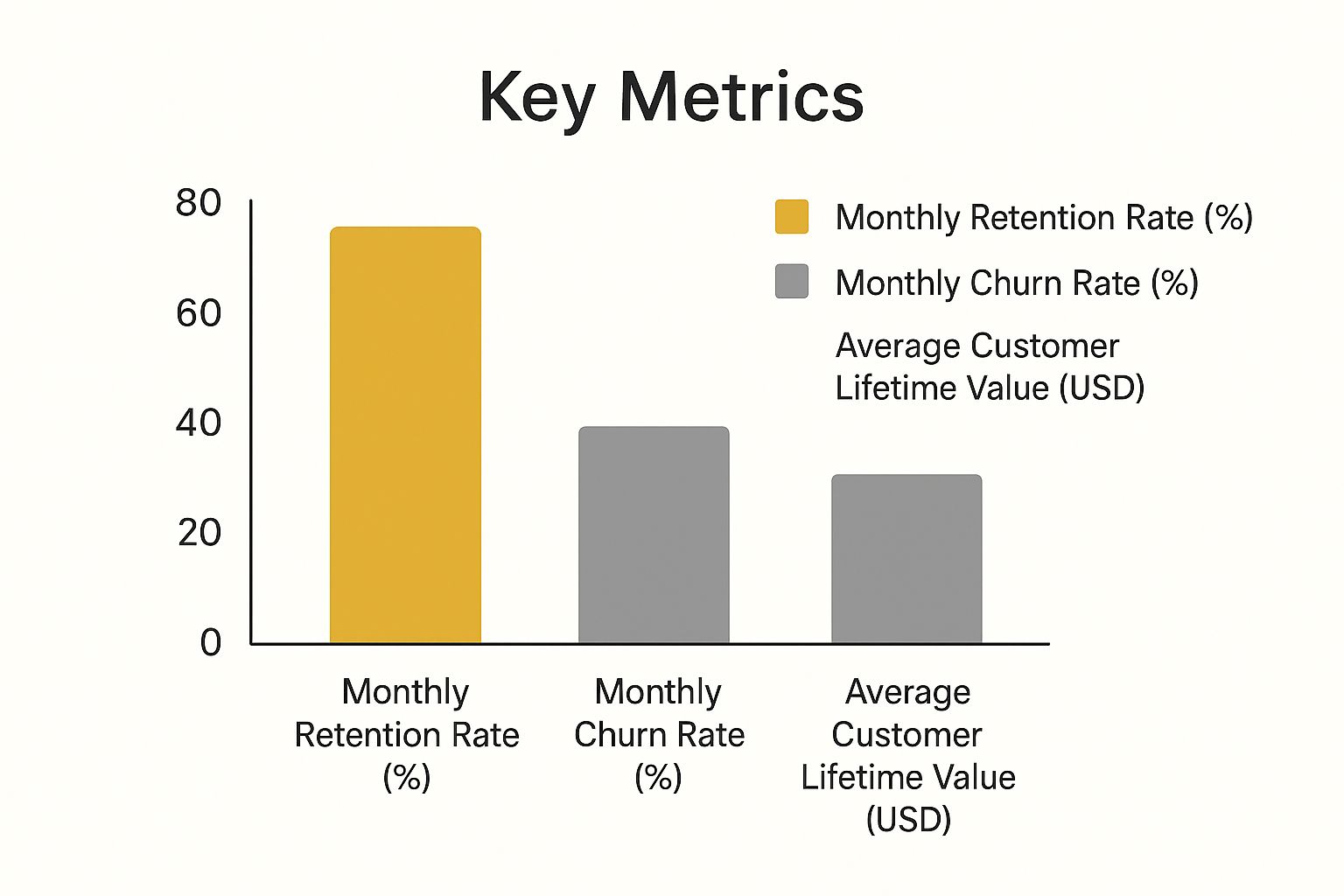
The infographic above illustrates how Monthly Retention Rate, Monthly Churn Rate, and Average Customer Lifetime Value are all connected. A higher retention rate goes hand-in-hand with a lower churn rate and higher customer lifetime value. This underscores the importance of prioritizing customer satisfaction and engagement. For UK businesses, this is particularly vital. Focusing on how to improve customer retention retention isn't just a good practice; it's a core strategy for long-term success.
While acquiring new customers is essential for growth, nurturing existing customers is where real profitability takes root. Acquiring a new customer can cost five times more than retaining an existing one. This stark cost difference positions customer retention as a powerful driver of profit. For UK businesses, improving customer retention directly impacts the bottom line. Even a small 5% increase in customer retention can translate to a significant profit increase of 25-95%. Learn more about the positive effects of customer retention: Customer Experience Statistics.
The Power of Repeat Business
Loyal customers represent a consistent revenue stream. They already have a positive relationship with your brand, which makes them more likely to purchase again. For instance, a satisfied customer is often open to trying new products and increasing their spending over time. This not only boosts sales but also lowers marketing expenses, as resources don't need to be constantly directed toward attracting new clients. You may find this helpful: How to master a marketing strategy for your small business.
Turning Customers Into Advocates
Satisfied customers naturally become brand advocates, generating valuable word-of-mouth marketing. This organic form of promotion is especially impactful in competitive markets like the UK. Positive reviews and personal recommendations build trust and credibility, attracting new customers without the high costs of traditional advertising.
Building Long-Term Relationships
Customer retention is fundamentally about cultivating genuine, long-term relationships with your clientele. This includes understanding their individual needs, offering top-notch customer service, and creating personalized experiences. When customers feel valued and appreciated, they are much more likely to stay loyal, creating a sustainable cycle of repeat business and increased profitability.
Focusing on Retention Strategies
Considering the cost-effectiveness and profitability linked to customer retention, it’s no surprise that successful UK businesses prioritize this approach. Instead of continually pursuing new leads, they concentrate on nurturing existing customer relationships. This involves implementing various strategies like loyalty programs, personalized communication, and providing outstanding customer service. By focusing on improving customer retention, businesses build a loyal customer base that drives sustainable growth and boosts profits.
To illustrate the cost differences between acquisition and retention, let's look at a comparison table:
Customer Acquisition vs Retention Costs Comparison: A detailed breakdown comparing the costs and returns of acquiring new customers versus retaining existing ones
| Strategy | Cost | ROI Timeline | Success Rate |
|---|---|---|---|
| Customer Acquisition | High (5x more than retention) | Longer (building trust takes time) | Lower (converting new leads is challenging) |
| Customer Retention | Low (significantly less expensive) | Shorter (existing trust accelerates ROI) | Higher (loyal customers are more likely to convert) |
Key takeaway: Investing in retaining existing customers offers a higher return on investment with a faster turnaround time and better success rate compared to acquiring new customers. This makes customer retention a crucial strategy for maximizing profitability.
Building Customer Service That Prevents Churn Before It Starts

In the competitive UK market, exceptional customer service is essential for customer retention. Neglecting this vital area can lead to a significant loss of valuable customers. Poor service can drive customers away before you even realize there's a problem.
Proactive customer service is key to improving customer retention. Unresolved issues and long wait times can erode customer trust and loyalty. Addressing customer needs promptly and efficiently is crucial for success.
Identifying Hidden Service Failures
Many UK businesses focus on obvious service failures, such as rudeness. However, it's the hidden failures that truly damage the customer experience. Slow response times, lack of empathy, and being passed between departments are seemingly small issues that can accumulate and lead to customer churn.
Not feeling valued is another major driver of churn. UK consumers appreciate businesses that show they care. Remembering customer preferences or offering personalized discounts are simple ways to show appreciation. Failing to recognize and appreciate customers can drive them to competitors.
Customer service plays a vital role in customer retention in the UK. 42% of UK customers have left a business due to poor customer service, including not feeling appreciated, dealing with unhelpful staff, and being transferred between representatives. More statistics can be found here: Customer Retention Statistics
Training Your Team For Retention Success
Building a customer-centric culture starts with your team. Practical training is essential. Equip your staff with the skills to handle customer interactions effectively, including active listening, empathy, and clear communication.
Role-playing scenarios can help staff practice handling difficult situations and developing solutions-focused responses. This empowers your team to resolve issues and build stronger customer relationships.
Communication Frameworks That Build Trust
Clear communication frameworks are crucial for consistent and positive customer interactions. Establish standard procedures for handling enquiries, complaints, and feedback. A CRM system can help track customer interactions and ensure seamless communication across different channels. This builds trust and reinforces your commitment to excellent service.
Service Recovery: Turning Negatives Into Positives
Mistakes happen. How you handle these mistakes can determine whether you lose a customer or gain a loyal advocate. Service recovery focuses on addressing complaints effectively and exceeding expectations.
This might involve a sincere apology, a refund, or going the extra mile to rectify the situation. Turning negative experiences into positive ones demonstrates your commitment to customer satisfaction. For example, a delayed delivery can be improved with a complimentary upgrade or a discount on the next purchase.
By focusing on these strategies, UK businesses can create a customer service experience that prevents churn and builds loyalty. This proactive approach is more cost-effective than constantly acquiring new customers and contributes to sustainable growth. Investing in excellent customer service is an investment in your business's future.
Decoding The Modern UK Customer's Decision-Making Process
British consumers are discerning. Their loyalty isn't easily earned. Understanding their decision-making process is key to improving customer retention. This means going beyond simple demographics and exploring the psychological and cultural factors influencing their choices. For example, in the post-Brexit and post-pandemic landscape, UK consumers are increasingly focused on value and transparency.
The Research-Driven UK Consumer
One defining characteristic of the modern UK customer is their methodical approach to research. This isn't limited to expensive purchases. Even everyday buys are often preceded by online comparisons and checking reviews. Understanding consumer behavior is essential for effective customer retention strategies in the UK. In fact, 54% of UK consumers always research major purchases online first. This informed approach translates into an appreciation for detailed product information and honest brand communication. Find more detailed statistics here: Customer Retention Rates.
Transparency and Trust: Pillars of UK Customer Loyalty
Building on this research-driven mindset, transparency is paramount for UK consumers. They value businesses that are upfront about their pricing, policies, and practices. This builds trust, a vital component of long-term customer relationships.
Clear communication, especially regarding delivery times and returns, can significantly enhance the customer experience and foster loyalty. Fostering trust should be a core element of any UK customer retention strategy.
The Role of Value in the UK Market
While price is always a consideration, UK consumers are increasingly prioritizing value. This isn't simply about getting the cheapest option. It's about receiving a product or service that meets their needs and expectations at a fair price. Businesses need to demonstrate the value they offer, whether through quality, convenience, or exceptional customer service.
For example, offering perks like free delivery or exclusive discounts can significantly enhance the perceived value. Read also: How to master digital marketing.
Cultural Nuances and Communication Preferences
Understanding cultural nuances is essential for effective communication. British consumers appreciate polite and efficient service. They prefer straightforward, no-nonsense language. Personalization can also play a significant role. However, it’s important to strike a balance between tailored communication and respecting customer privacy.
This balance is crucial for building lasting relationships. By aligning your retention strategies with these cultural preferences, you can create a customer experience that resonates with the modern UK consumer. Ultimately, decoding the UK customer's decision-making process allows businesses to anticipate their needs, build trust, and foster the long-term loyalty that drives sustainable growth.
Creating Personalized Experiences That Build Emotional Connections

In today’s competitive market, generic experiences can lead to lost customers. This is particularly relevant in the UK, where consumers place a high value on personalized interactions. This section explores how UK businesses can cultivate truly personal experiences without complex systems or significant financial investments in technology. This goes beyond simply using a customer's name in an email. It's about fostering a sense of genuine value.
Beyond the Basics: Practical Personalization Strategies
True personalization involves a deeper understanding of customer behaviors and preferences. Consider the timing of your communications. A customer might prefer emails in the evening after work. Perhaps they respond better to offers related to their past purchases. For example, a bookstore could suggest new books based on a customer's reading history. This behavioral targeting is significantly more effective than broad, generic marketing campaigns.
Customizing your services can also forge strong emotional connections. Imagine a local coffee shop remembering a customer's usual order. This seemingly small gesture can significantly impact customer loyalty. It demonstrates attentiveness and appreciation for their business. These personalized touches, while minor, contribute substantially to improving customer retention.
Companies excelling at personalization generate 40% more revenue from those activities compared to their competitors. In the UK, personalized customer experiences lead to a 19% increase in customer satisfaction and a 15% boost in sales conversion rates. Learn more: UK Personalization Study.
Segmentation and Tailored Communication
Effective personalization begins with customer segmentation. This involves dividing your customer base into smaller groups based on shared traits. These might include demographics, buying habits, or engagement levels. Segmentation empowers you to tailor communications that resonate with specific customer needs. This could include creating special offers, targeted product recommendations, or even adjusting the tone and style of your messages.
For instance, a clothing retailer could segment customers by preferred style. This allows them to send targeted emails showcasing new arrivals matching each customer's taste. This focused approach is more efficient than a mass email blast.
Memorable Touchpoints Across the Customer Journey
Creating memorable touchpoints throughout the customer journey is another crucial element of personalization. These interactions, from initial contact to post-purchase follow-up, offer opportunities to strengthen customer connections. This could be a personalized welcome email, proactive customer support, or exclusive offers for loyal customers.
A simple handwritten thank-you note included with an order can significantly boost customer appreciation and encourage loyalty.
Balancing Personalization and Privacy
While UK consumers appreciate personalization, they also prioritize privacy. Transparency is paramount. Clearly explain how you collect and use customer data. Give customers control over their data and preferences. This balance builds trust and ensures personalized experiences feel welcoming, not intrusive. Striking this balance cultivates long-term customer relationships that drive sustainable growth. By prioritizing these strategies, UK businesses can forge emotional connections that lead to improved customer retention and lasting loyalty.
Designing Loyalty Programs That Actually Drive Repeat Business
Loyalty programs are a common tactic for businesses hoping to improve customer retention. However, many of these programs fall short of their goals. Why? Often, they are designed around what the business wants to offer, not what the customer actually values. This section explores how to create truly effective loyalty programs in the UK, focusing on building real relationships, not just increasing transactions.
Rethinking Traditional Point Systems
Traditional point-based systems often encourage transactional loyalty. Customers concentrate on accumulating points for one-time redemptions instead of developing a genuine connection with your brand. This approach can even devalue your products or services if customers mainly purchase during point promotions, waiting for the next points bonus instead of making regular purchases. Ask yourself: Would you prefer a customer who buys regularly out of genuine appreciation for your products, or a customer driven solely by points incentives?
Creating Emotional Connections Through Rewards
Effective loyalty programs create emotional connections. Offering exclusive early access to new products, for example, makes customers feel valued and like they're part of an exclusive group. This fosters a sense of belonging and builds excitement around your brand.
Partnering with other UK businesses to offer unique experiences, such as a free coffee at a local cafe with every purchase, can also broaden your program's appeal. This can be much more enticing than standard discounts and helps build positive associations with your brand. For effective communication with your loyal customers, consider exploring email marketing best practices with guides like this one: The Advantages of Email Marketing.
Tailoring Rewards to the UK Market
UK consumers are especially receptive to loyalty programs that offer tangible value and convenience. Some popular perks include:
- Free delivery: A highly valued perk, particularly for online shoppers.
- Exclusive discounts: These make customers feel special and appreciated.
- Early access to sales: This taps into the desire for a good deal.
- Birthday rewards: A personal touch that strengthens customer relationships.
From Simple to Sophisticated: Implementing Loyalty Programs
Loyalty programs don't need to be overly complex. A simple recognition program, such as a thank-you email with a small discount for a second purchase, can be an excellent starting point.
As your business grows, you can introduce more sophisticated tiered systems. These systems offer escalating rewards at different levels, motivating customers to engage more and increase their spending.
To help illustrate the different options, consider the following table:
Effective Loyalty Programme Strategies for UK Businesses: Comparison of different loyalty programme types and their effectiveness in driving customer retention
| Programme Type | Customer Engagement | Retention Impact | Implementation Cost |
|---|---|---|---|
| Simple Recognition (e.g., thank you email with discount) | Moderate | Moderate | Low |
| Points-Based System | Moderate to High (can be transactional) | Moderate | Moderate |
| Tiered System (increasing rewards at higher levels) | High | High | Moderate to High |
| Partner Programme (collaborations with other businesses) | High | High (broadens appeal) | Moderate |
This table summarizes the different program types, their potential for engagement and retention, and their relative costs. As you can see, even simple programs can be effective, while more complex programs offer increased potential but also higher implementation costs.
By focusing on the specific needs and preferences of UK consumers, you can design loyalty programs that truly drive repeat business and cultivate long-term relationships. Ultimately, a successful loyalty program creates a win-win scenario, benefiting both the customer and your business.
Measuring What Matters: Tracking Your Retention Success
You can't improve what you don't measure. Many UK businesses track vanity metrics, data that looks good on paper but doesn't offer real insight into customer behavior. More importantly, vanity metrics often fail to predict future business growth. This section reveals the key retention metrics that truly matter and how to build monitoring systems focused on usable data, not just visually appealing dashboards. For instance, simply tracking website visits is far less valuable than understanding how many visitors become repeat customers.
Key Performance Indicators (KPIs) for Retention
Successful businesses use specific KPIs to predict and prevent customer churn. These metrics provide a vital snapshot of customer health and loyalty. By carefully monitoring these indicators, you can proactively identify and address potential problems.
- Customer Retention Rate: This crucial metric shows the percentage of customers who remain with your business over a specific period. A high retention rate signals strong customer loyalty and a healthy business.
- Customer Churn Rate: The inverse of retention rate, the churn rate reveals the percentage of customers lost during a specific time frame. A high churn rate necessitates a deeper investigation into underlying causes.
- Customer Lifetime Value (CLV): This key metric represents the total revenue you can expect from a single customer throughout their entire relationship with your business. A high CLV emphasizes the importance of retaining existing customers.
- Repeat Purchase Rate: Measuring how many customers make multiple purchases, this metric directly reflects customer satisfaction and brand loyalty. A high repeat purchase rate is a strong indicator of a successful retention strategy.
- Purchase Frequency: This metric tracks how often customers make purchases. An increase in purchase frequency often indicates the effectiveness of your marketing and retention efforts.
Practical Tools for Measuring Retention
Several effective tools can help you track and analyze these important metrics. Here are a few popular and powerful options:
- CRM Systems: CRM systems offer a powerful way to track customer interactions, purchase history, and communication preferences. This provides valuable insight into individual customer behavior and overall trends.
- Analytics Platforms: Analytics platforms provide detailed data on website traffic, customer behavior, and sales patterns, allowing you to identify areas for improvement and optimization.
- Customer Feedback Surveys: Directly gathering feedback from customers offers crucial insights into their satisfaction levels and identifies specific areas for improvement. This direct line of communication can be invaluable for boosting retention.
Turning Data Into Strategic Decisions
Collecting data is only the beginning. The true power lies in analyzing that data and using the resulting insights to make informed strategic decisions. For example, discovering a high churn rate within a particular customer segment allows you to address the underlying issues with targeted solutions.
Building early warning systems is essential for proactively identifying at-risk customers. This might involve monitoring changes in purchase frequency or engagement. Early intervention can be the difference between retaining a valuable customer and losing them to a competitor. Benchmarking your performance against industry standards helps you understand your competitive position and prioritize areas for improvement. This targeted approach allows you to focus your resources and optimize your retention strategy.
By prioritizing the right metrics and proactively implementing effective strategies, UK businesses can substantially improve their customer retention and overall profitability. Shifting from an acquisition-focused approach to a retention-focused strategy is crucial for long-term, sustainable growth.
Ready to enhance your digital marketing and boost customer retention? Explore the Digital Marketing Toolbox and discover valuable resources to optimize your strategies and drive business growth.


